
 EN
EN
 FR
FR
Managing our carbon footprint
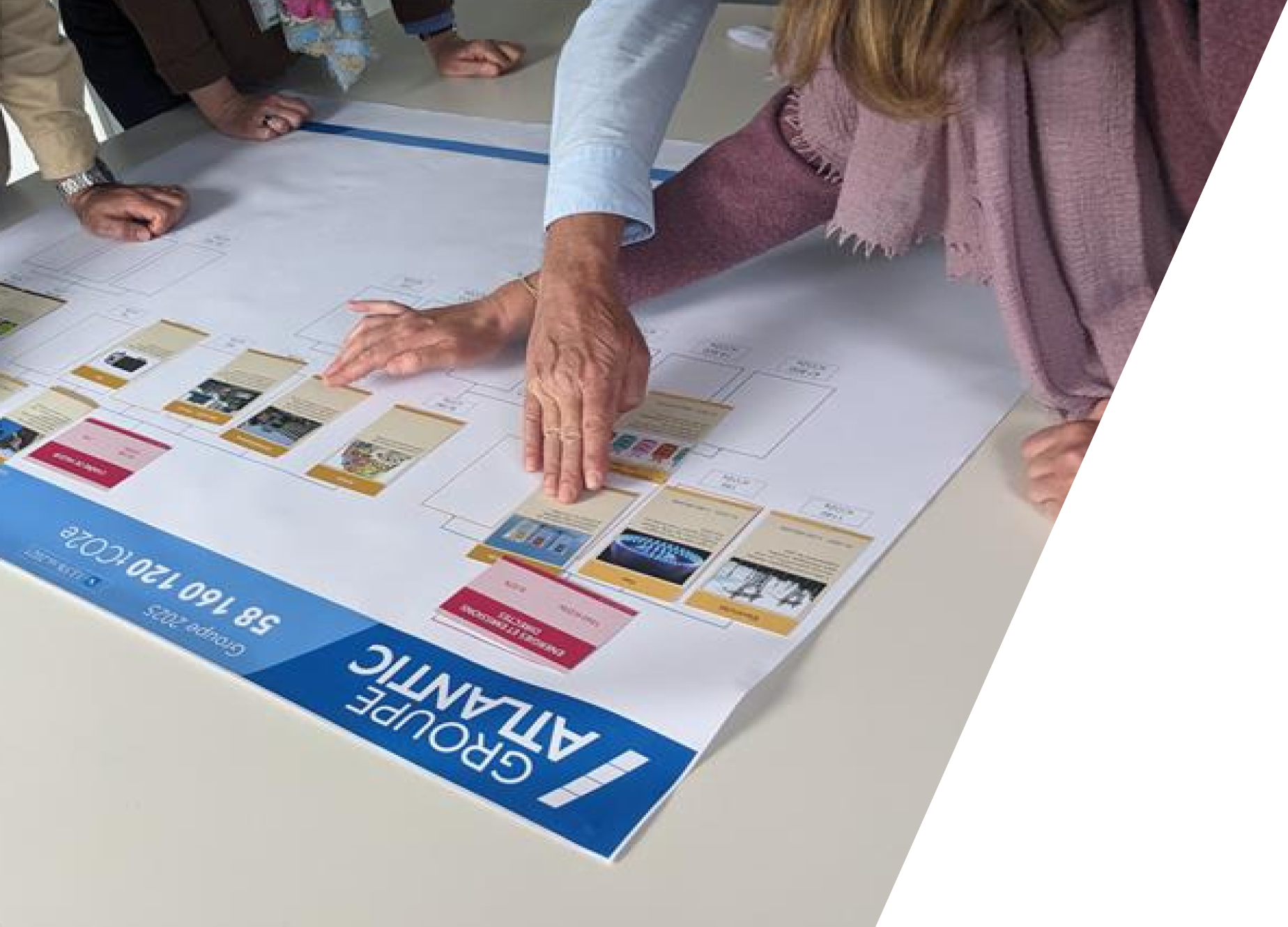
To take effective action, the Group first relies on measurement. Since its first carbon assessment, carried out for the 2021 financial year, GROUPE ATLANTIC has monitored its greenhouse gas emissions to better understand its impacts and guide its reduction actions.
In 2025, this measurement was updated using the same scope: 13 sites in France, the United Kingdom and Austria, representing 79% of the value produced by the Group. The calculated carbon footprint is down 16% compared with 2021.
This decrease is mainly due to the development of products that consume less energy, changes in the electricity mix in several countries, and efforts made at sites to better manage consumption.
Reducing the environmental impact of our sites
At our industrial sites, this ambition is reflected in an environmental management approach deployed in France and internationally. It aims to better manage energy and water consumption, limit waste, preserve resources and improve the environmental performance of buildings.
Most sites have an environmental management system, and 7 sites are ISO 14001 certified. This commitment is part of our compliance with local regulations and is also based on recognised standards such as BREEAM, HQE and Effinergie+.
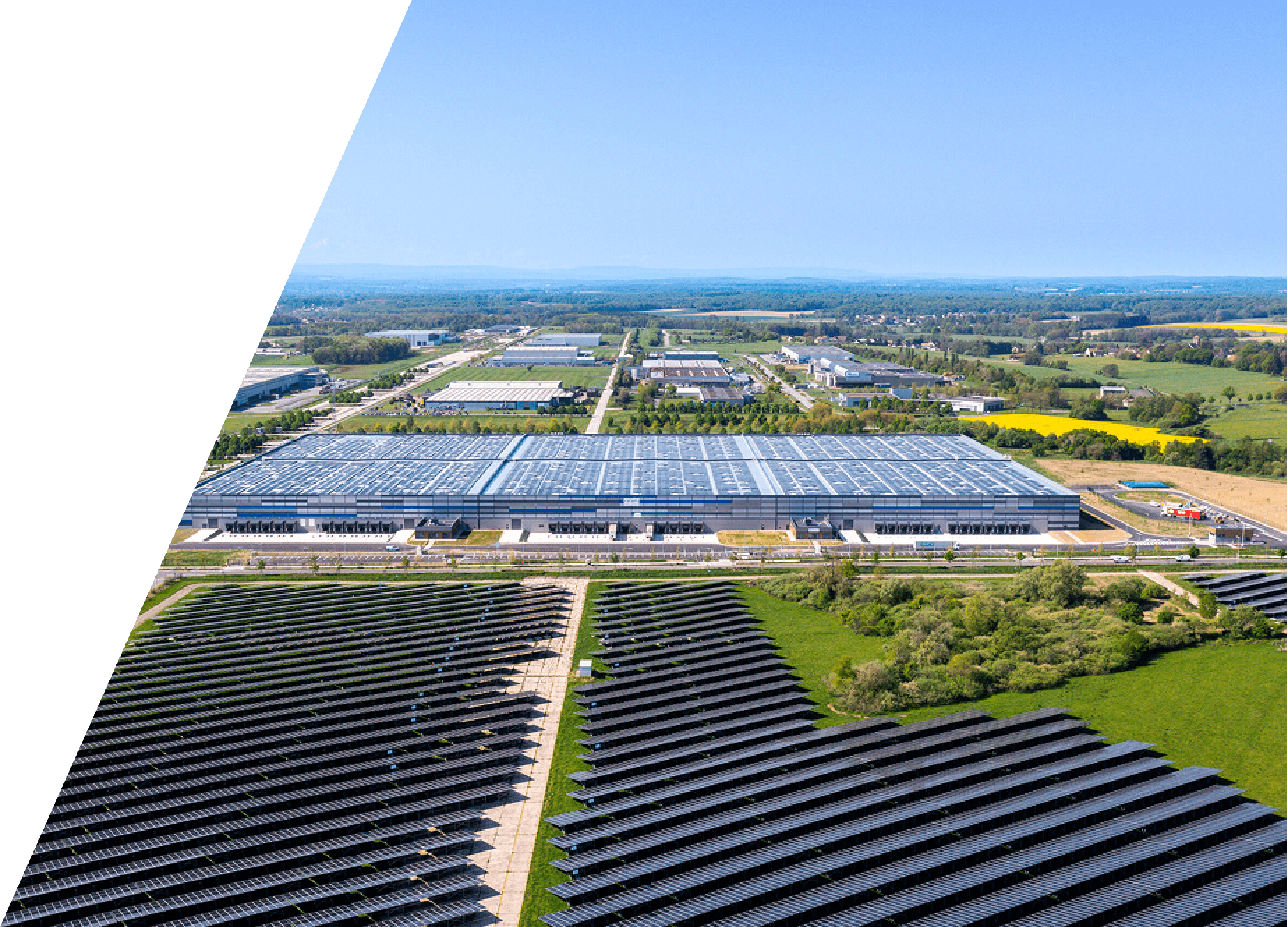
Sites such as Boz, Arcueil, Chalon-sur-Saône and Fontaine illustrate this momentum, with buildings designed to meet demanding environmental standards.
Initiatives at our sites
Developing responsible purchasing
Purchasing plays a key role in changing our practices. For several years, we have been rolling out a responsible purchasing approach to better integrate social, environmental and regulatory issues into our decisions.
This approach is based on a demanding supplier approval process, contract clauses relating to working conditions, and a best practice guide for the Group’s buyers. We also work with our suppliers on product innovation projects, to identify products and services that meet our markets’ requirements in terms of quality, performance and sustainability.
Optimising our logistics flows
Reducing the impact of our activities also means optimising logistics flows between our industrial sites, logistics platforms and customers.
Our supply chain teams work to better manage stock levels, improve transport load rates, reduce unnecessary journeys and monitor the CO₂ emissions linked to deliveries, while ensuring product availability.
In 2025, the transport of finished products sold in France through our 6 commercial networks represented 5,268 tCO₂e, for 110,000 tonnes of goods transported and 294,000 deliveries.
This data helps us better manage our actions and identify areas for improvement.
Accelerating REUSE
Reducing the impact of our operations also means extending the useful life of products, components and spare parts. GROUPE ATLANTIC is therefore developing reuse initiatives to give a second life to resources that were previously sent for recycling.
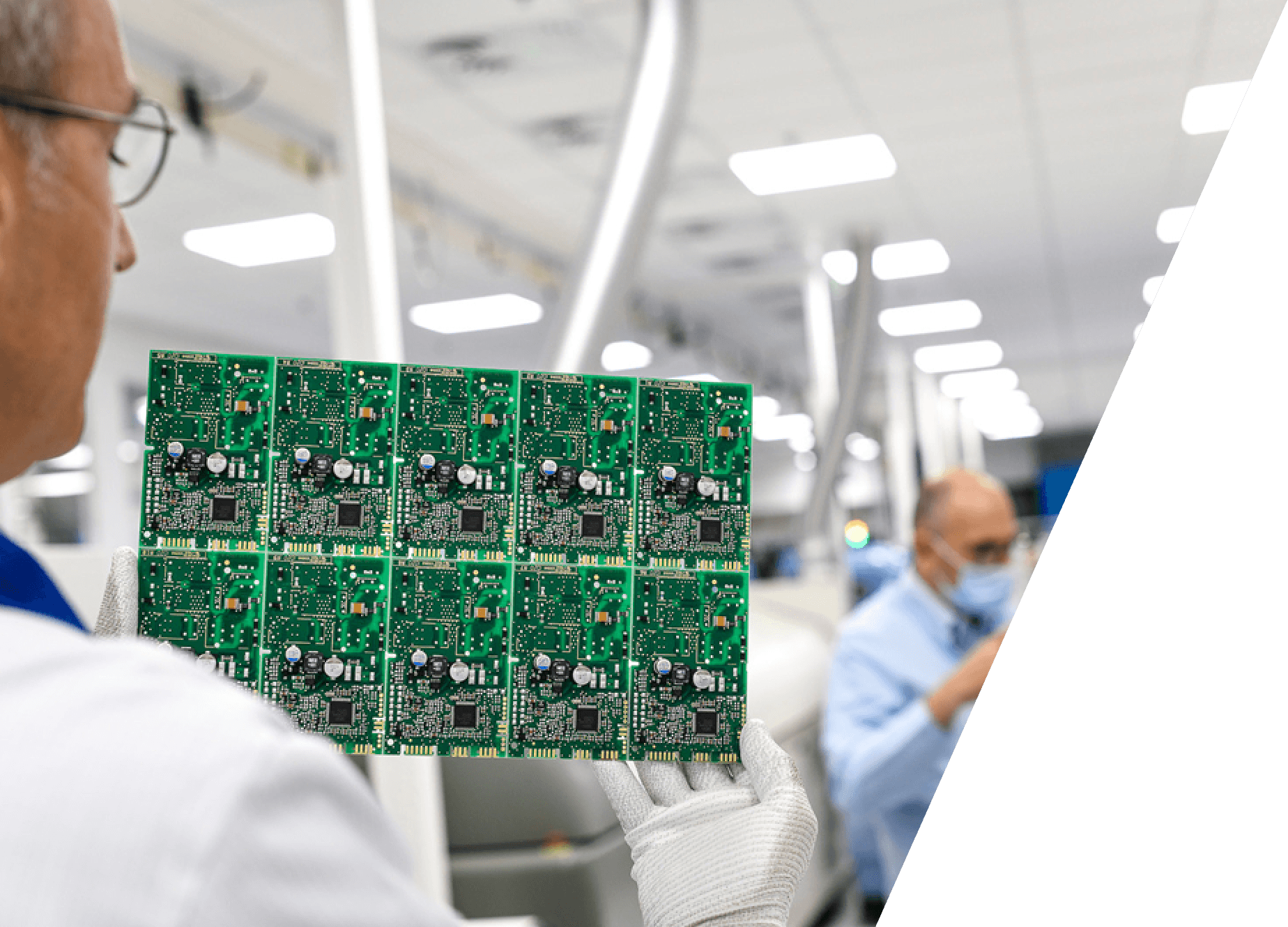
Launched in 2022, this approach has gradually become more structured with the introduction of the REUSE programme in 2025. The programme makes it possible to identify, recover and enhance the value of existing resources, in particular through the reconditioning of electronic boards, the extension of the approach to other component families, and the development of projects around second-choice products.
In 2025, sales of reused parts generated €3.9 million in turnover, up 39% compared with 2024.
Taking action at the end of our products’ life cycle
At GROUPE ATLANTIC, we take action at every stage of our products’ life cycle to limit their environmental impact.
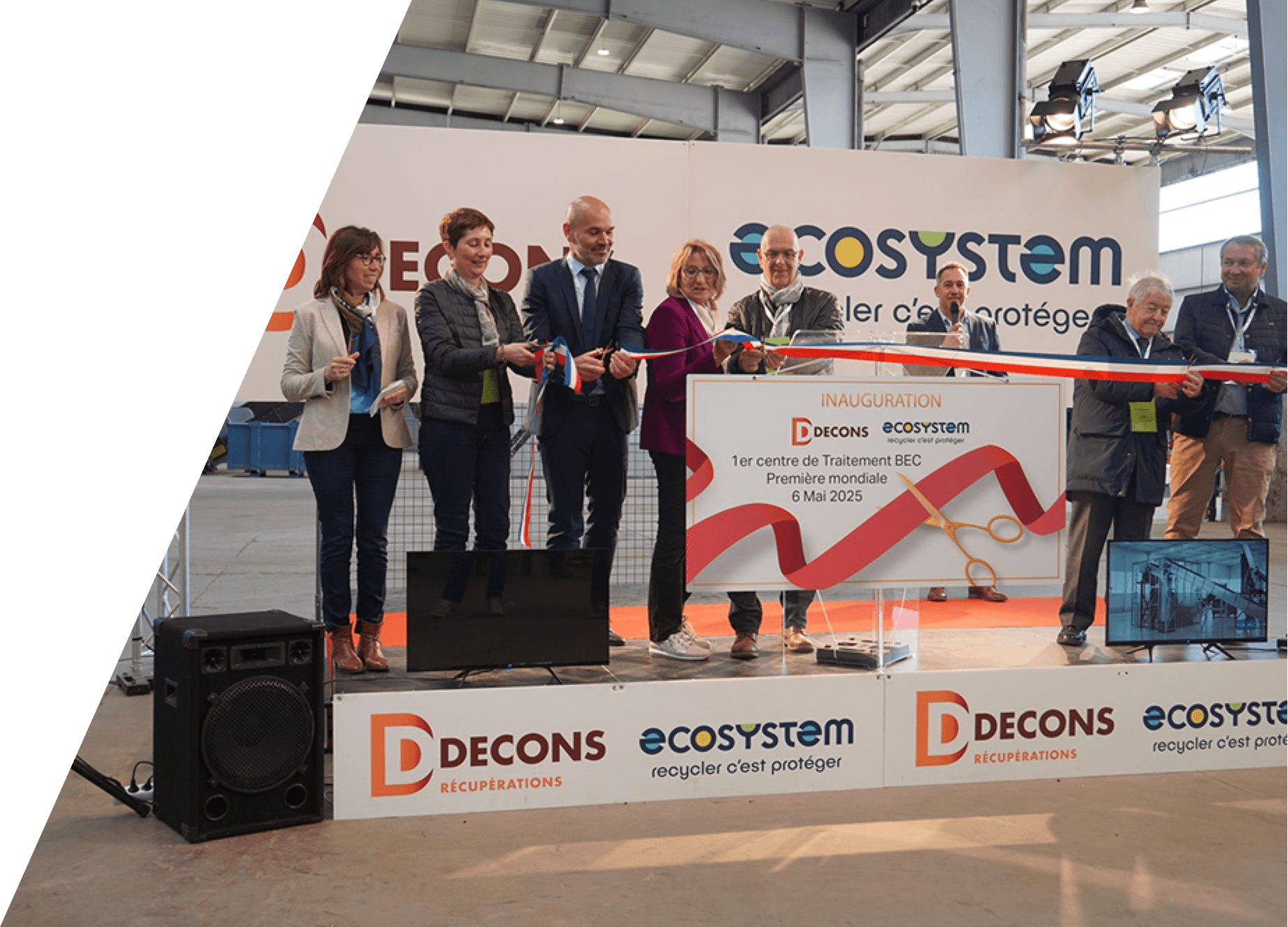
When reuse is not possible, end-of-life treatment becomes an essential lever. As a founding member of ecosystem, we contribute to improving recycling channels for waste electrical and electronic equipment in France.
Since 2021, we have been taking part in a project dedicated to removing pollutants and capturing the gases contained in the insulating foam of hot water tanks.
In 2025, three treatment units processed 12,700 tonnes of end-of-life products, equivalent to 36,000 tonnes of CO₂e neutralised.
Know more