
 EN
EN
 FR
FR
Developing low-carbon products and services
Electrification of use, energy efficiency and the decarbonisation of buildings: our sector is undergoing a major transformation.
This transition mobilises our teams around concrete projects, such as heat pumps, hybrid systems and connected energy management products and services.
In its main European markets, the Group monitors the growth of products and services incorporating renewable energies, in order to support the gradual transition from fossil fuels to low-carbon alternatives. This share reached 32% in 2025, with a target of 40% by 2030.
Know more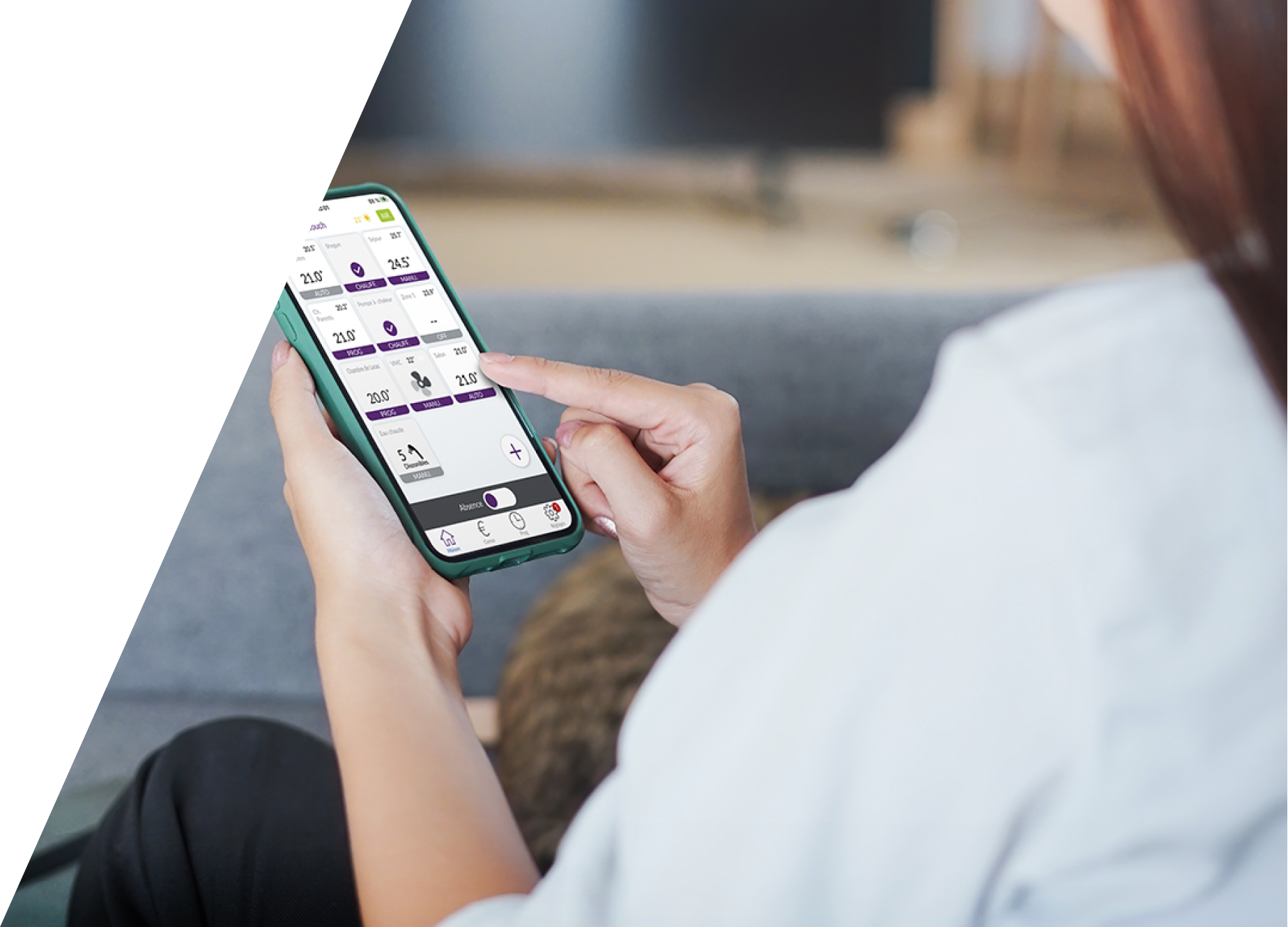
Connecting our products to encourage more efficient energy use
Connectivity makes it possible to adapt the operation of our products more precisely to users’ real needs, whether for heating, domestic hot water, ventilation or air conditioning.
Integrated scheduling, open-window detection, occupancy detection, self-learning and remote management: these features help limit unnecessary consumption and adjust usage on a day-to-day basis.
Thanks to connected apps, users can monitor, understand and adjust their consumption from a smartphone. This is a practical way to encourage more efficient energy use while preserving everyday comfort.
Connectivity
Measuring the environmental impact of our products
To better understand and reduce the environmental footprint of its products, GROUPE ATLANTIC develops Product Environmental Profiles, known as PEPs. Based on life cycle assessment, they make it possible to share reliable and recognised data.
Prepared in accordance with the rules of the PEP ecopassport® Programme, of which the Group has been a member since 2011, these profiles are developed by a network of internal experts.
By the end of 2025, the Group had 142 PEPs, covering 1,253 commercial references, available in the PEP ecopassport® and INIES databases.
Integrating eco-design from the development stage
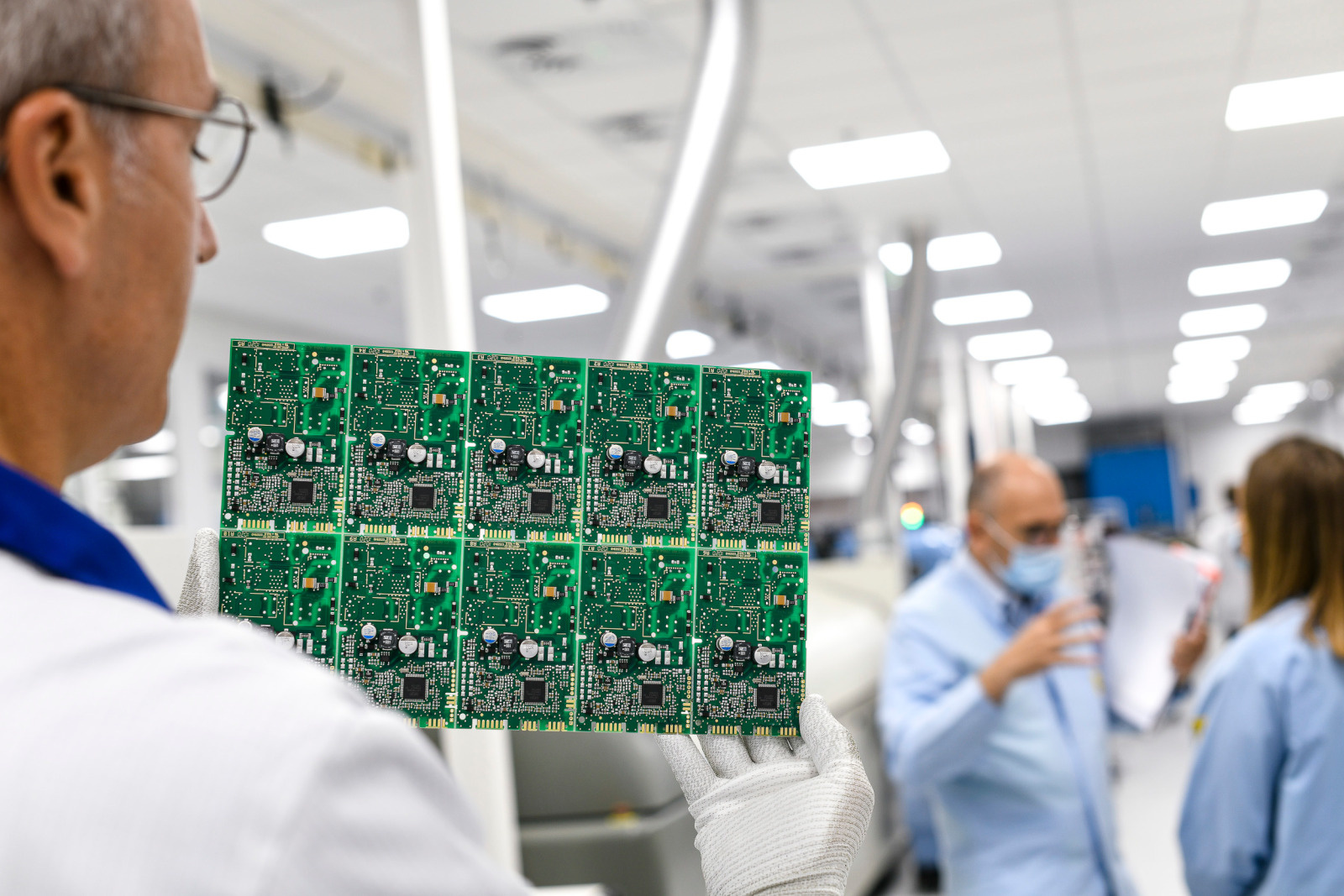
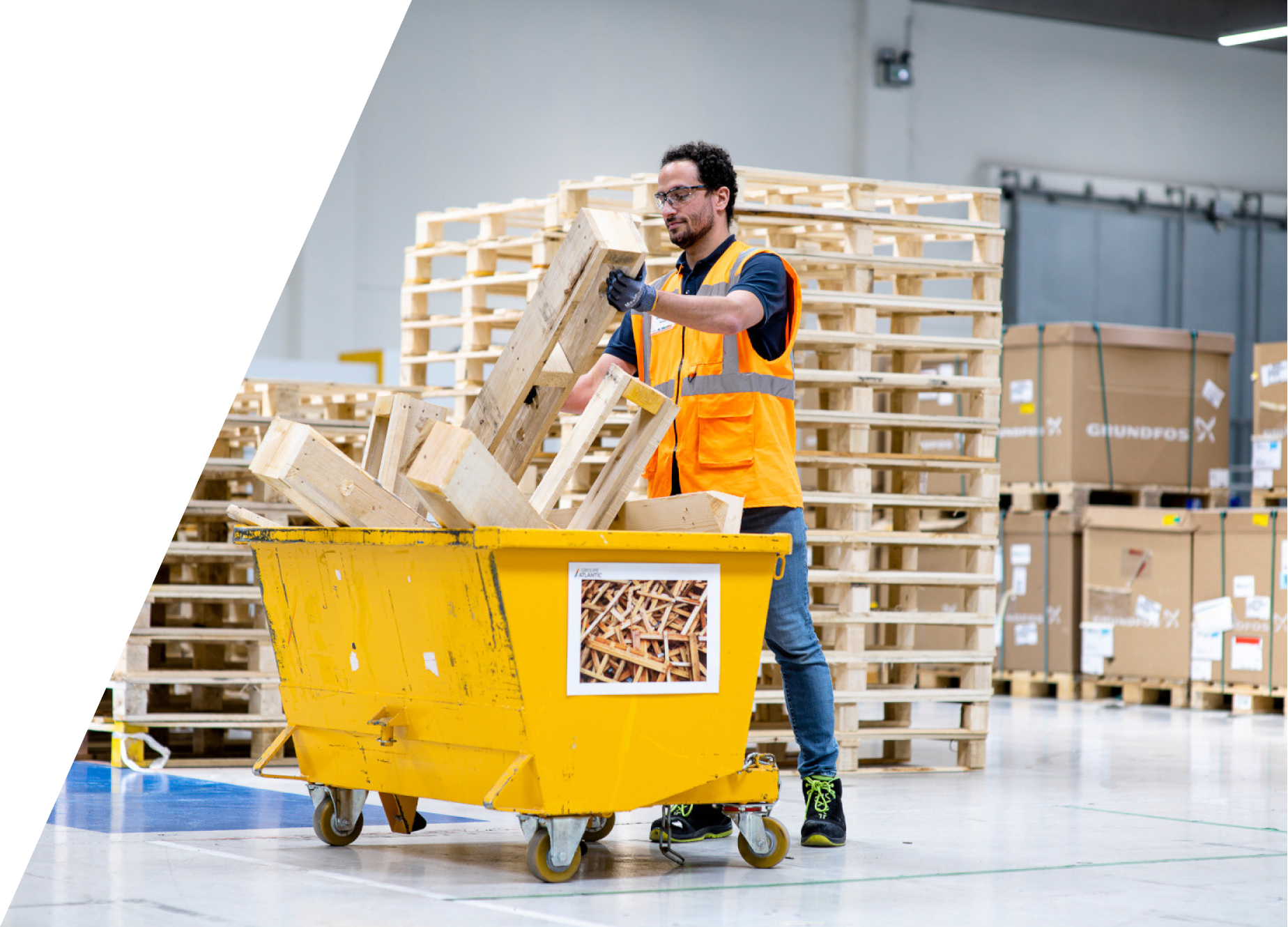
The environmental impact of our products is shaped from the very first stages of development. R&D, innovation, marketing, purchasing and quality teams work together to improve their energy performance, adapt packaging and take greater account of the entire life cycle.
This approach translates into concrete action: assessing recyclability, incorporating recycled materials, reducing the use of plastic and gradually replacing refrigerants with a high climate impact with lower-impact alternatives.
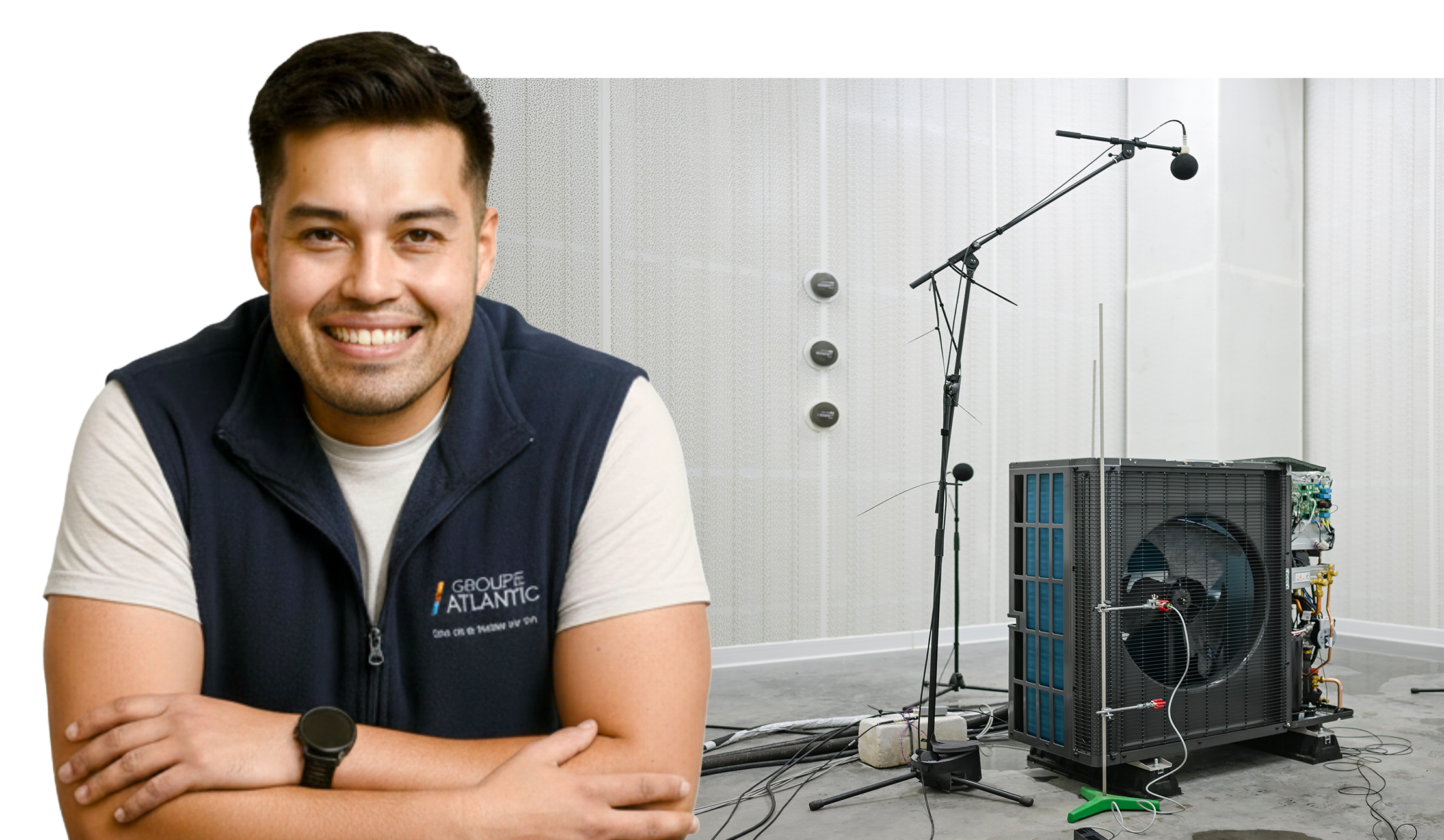
The Group relies on its 20 laboratories in France and internationally, located close to industrial sites, to test, measure and adjust products in direct connection with production.
Research and Development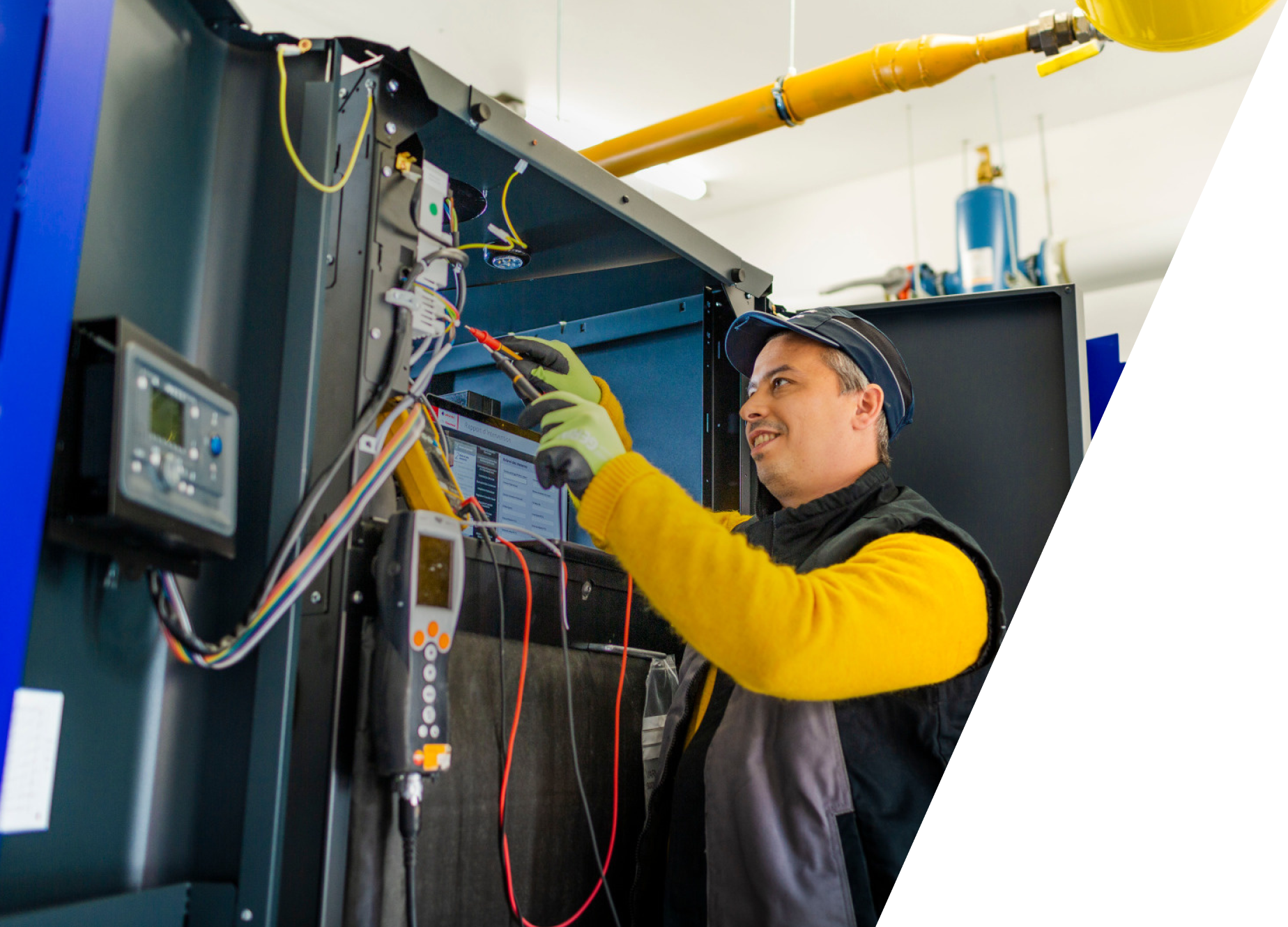
Extending the life span of our products
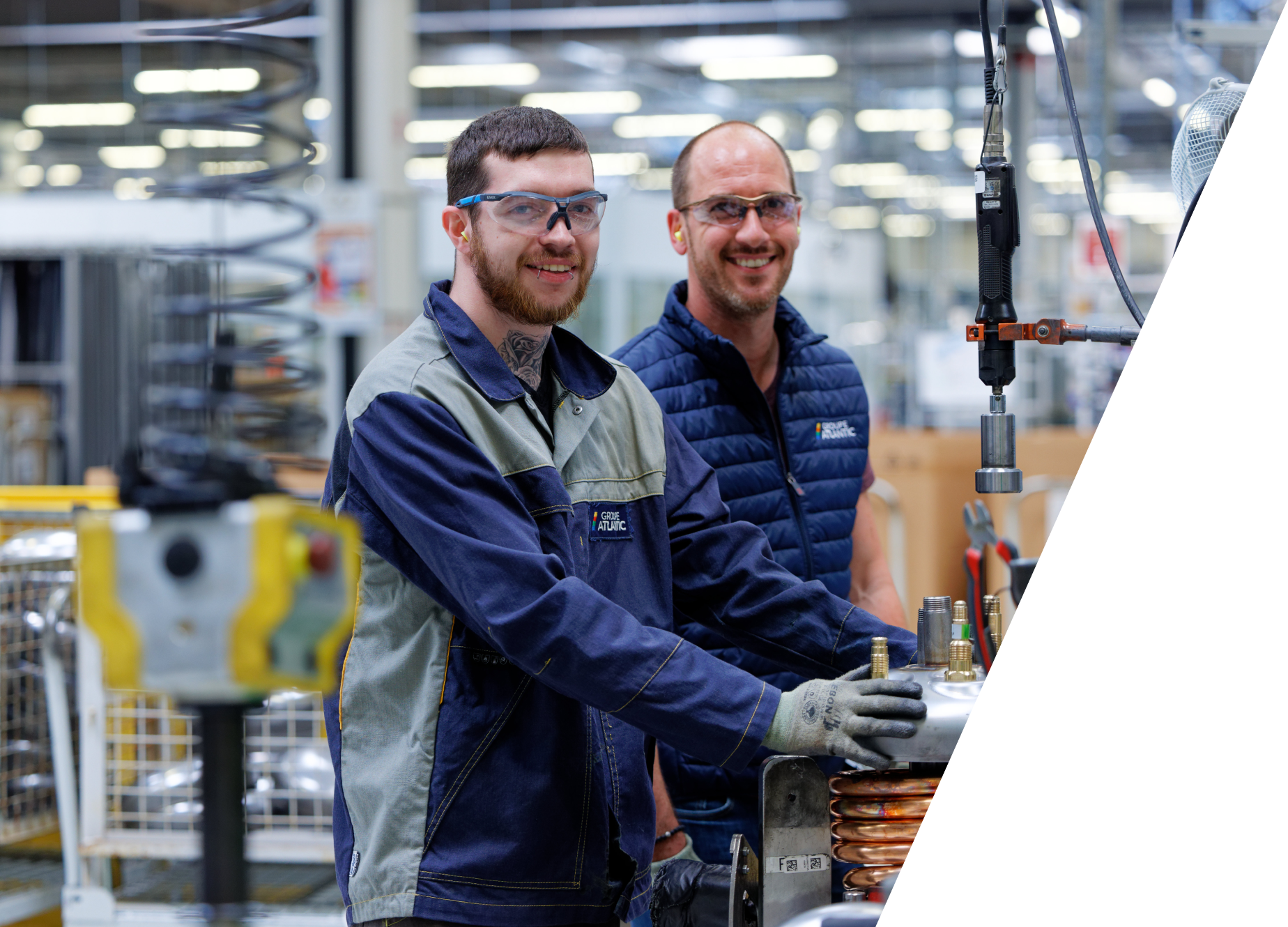
Designing more responsible products also means considering how they are used over time. The Group takes action to ensure they are correctly sized, properly installed, maintained and repaired when necessary.
This commitment is supported by assistance for professionals, training for distributors, installers and repair technicians, and a structured after-sales service system.
In France, spare parts are kept available for 10 years after products are no longer marketed. In 2025, nearly 730,000 spare parts were delivered to customers within 24 hours, up 6% compared with 2024. This increase reflects the growing importance of repair in extending the life span of appliances.