
 EN
EN
 FR
FR
The role of design
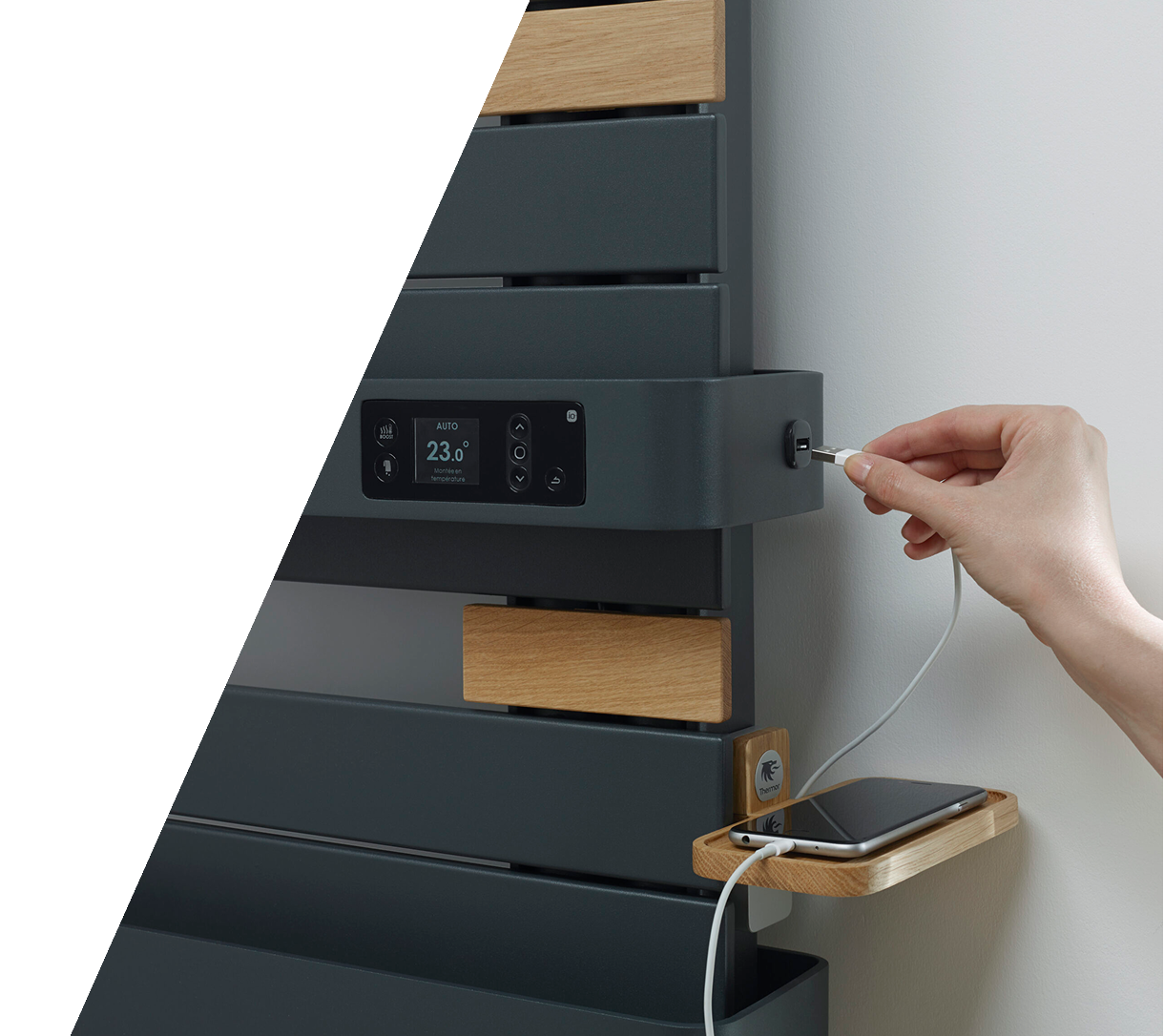
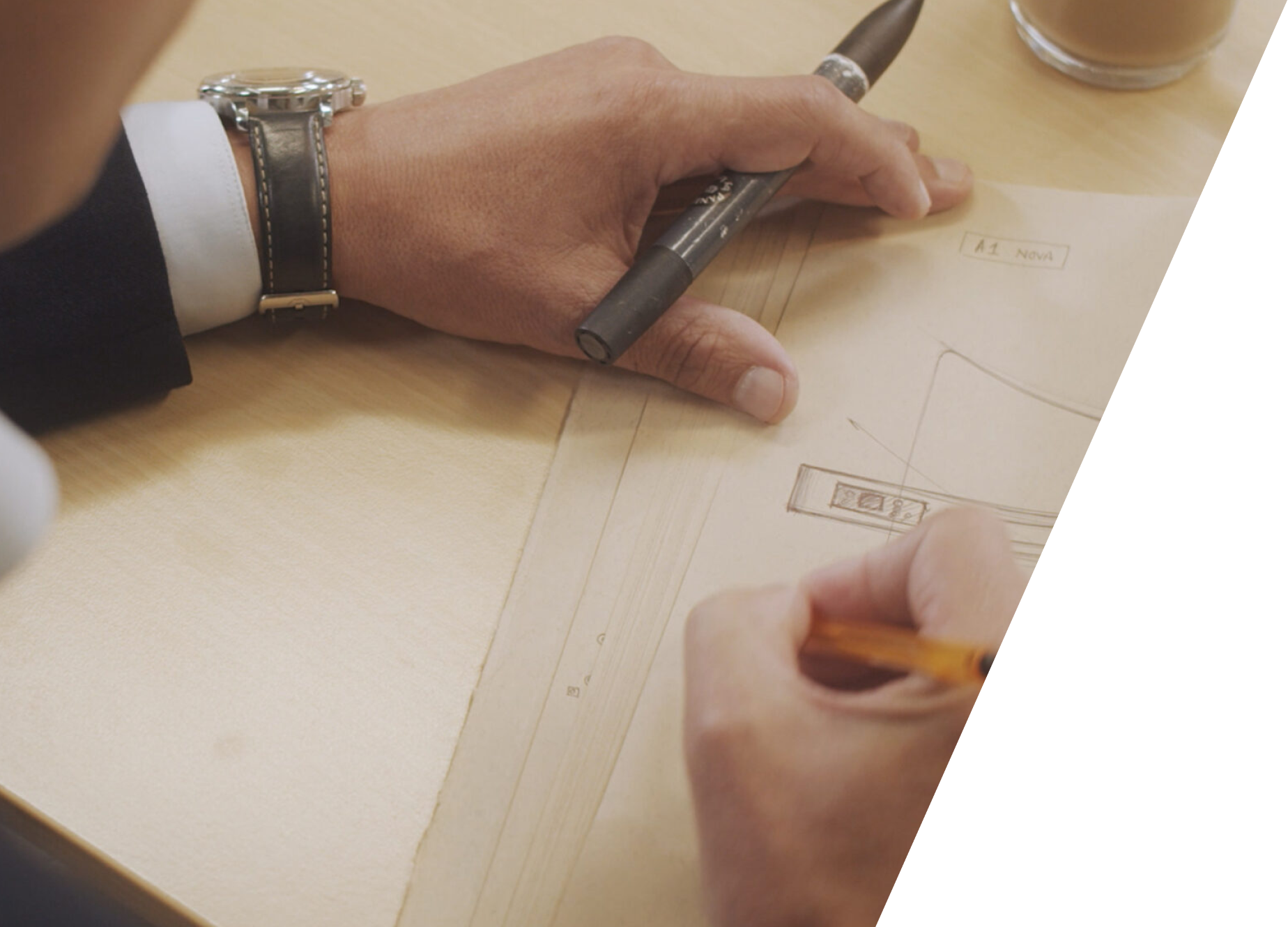
Design plays a key role in the development process across a range of sectors: living spaces, technical environments, outdoor solutions, as well as in-vehicle interfaces and connected applications. It also serves to define each brand’s identity.

A user-centred approach
At GROUPE ATLANTIC, customers’ needs, usage patterns, pain points and expectations are taken into account right from the start of projects. The customer journey serves as a guiding principle for understanding what the user actually experiences before, during and after the purchase.
This analysis covers the entire customer journey: prescription, selection, delivery, installation, commissioning, use, maintenance, repairs, replacement or refurbishment. It helps to identify areas that need to be simplified, explained more clearly or supported more effectively.
What this approach actually changes
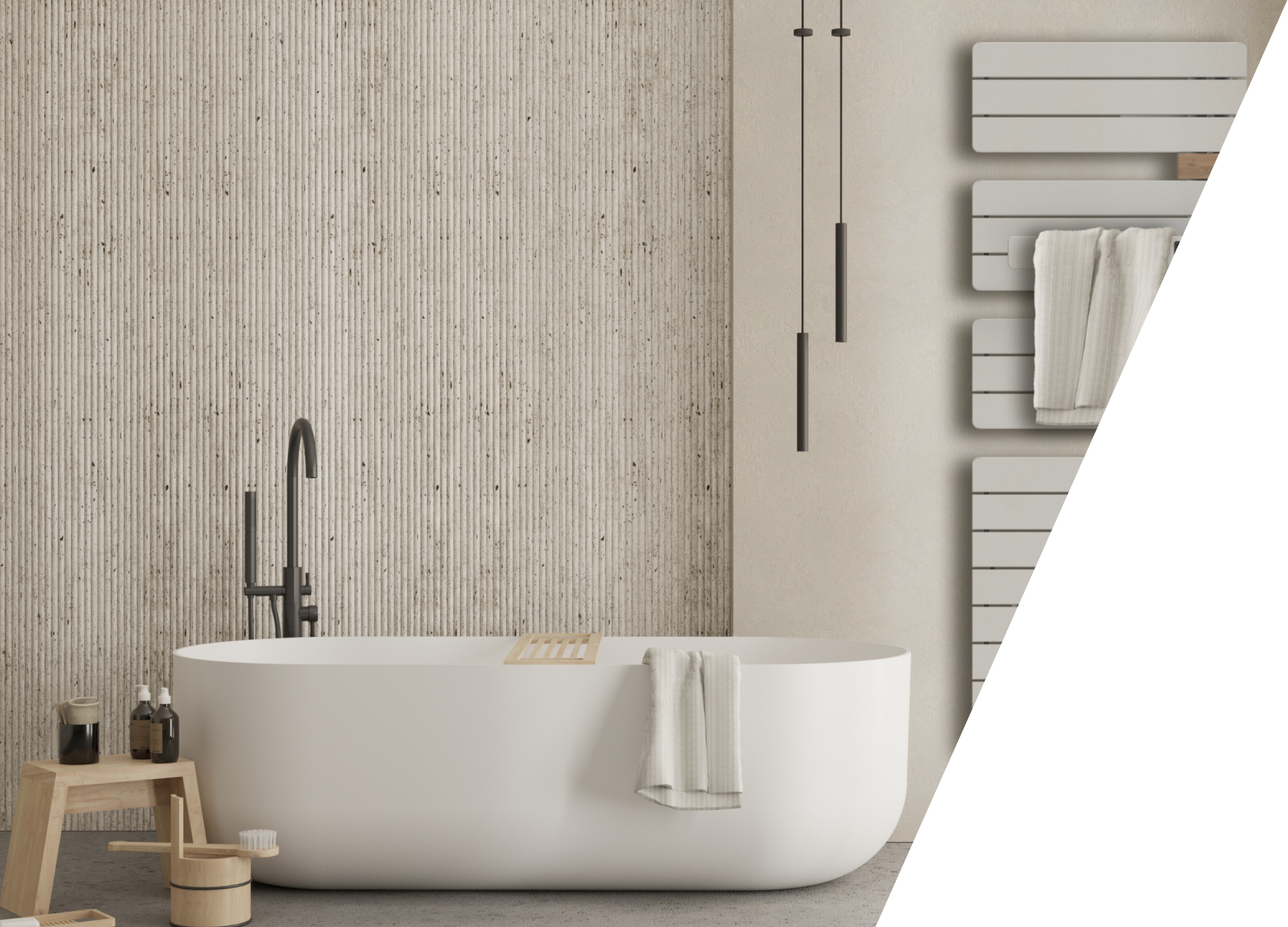
This approach aims to make solutions clearer, more accessible and easier to use. It applies both to the product itself and to the ecosystem surrounding it.
– A more intuitive on-board interface;
– A clearer mobile app;
– An instruction manual, quick start guide or installation template that is easier to understand;
– Greater consistency between the physical product, the information displayed and the accompanying materials;
– Design choices that take into account perceived quality, reparability, reliability and accessibility.
The aim is always the same: to reduce friction points and make the experience smoother for our installer and retail customers.
Developing design within the Group
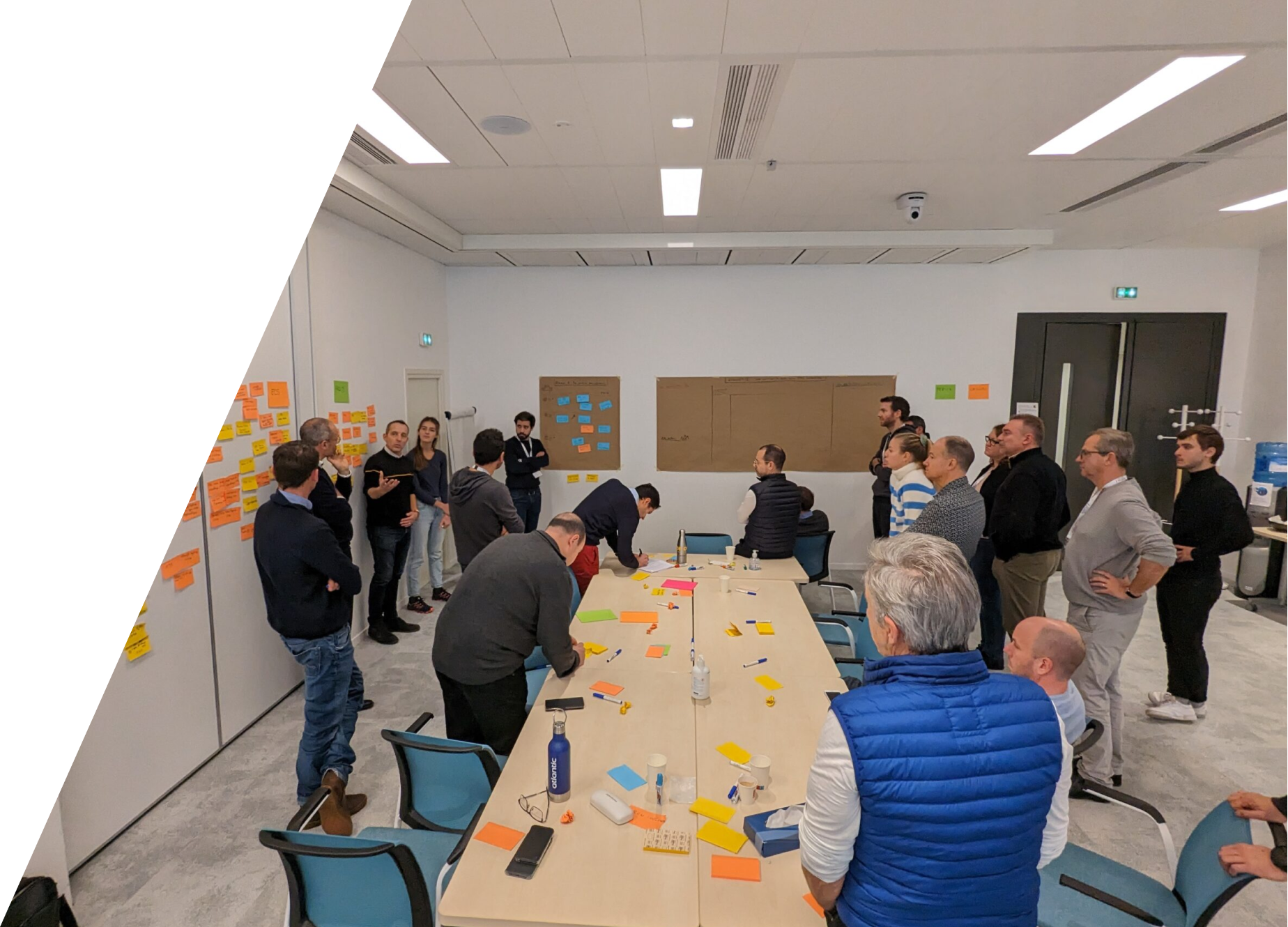
Design is integrated into the Group’s project methodology and organisational structure, working closely with marketing, R&D and the sales departments.
Established in 2009, the design team now comprises eight people. The expertise drawn upon covers, in particular, product design, UX/UI design and graphic design. This cross-functional approach enables us to harmonise style, usability, technical feasibility and market expectations.
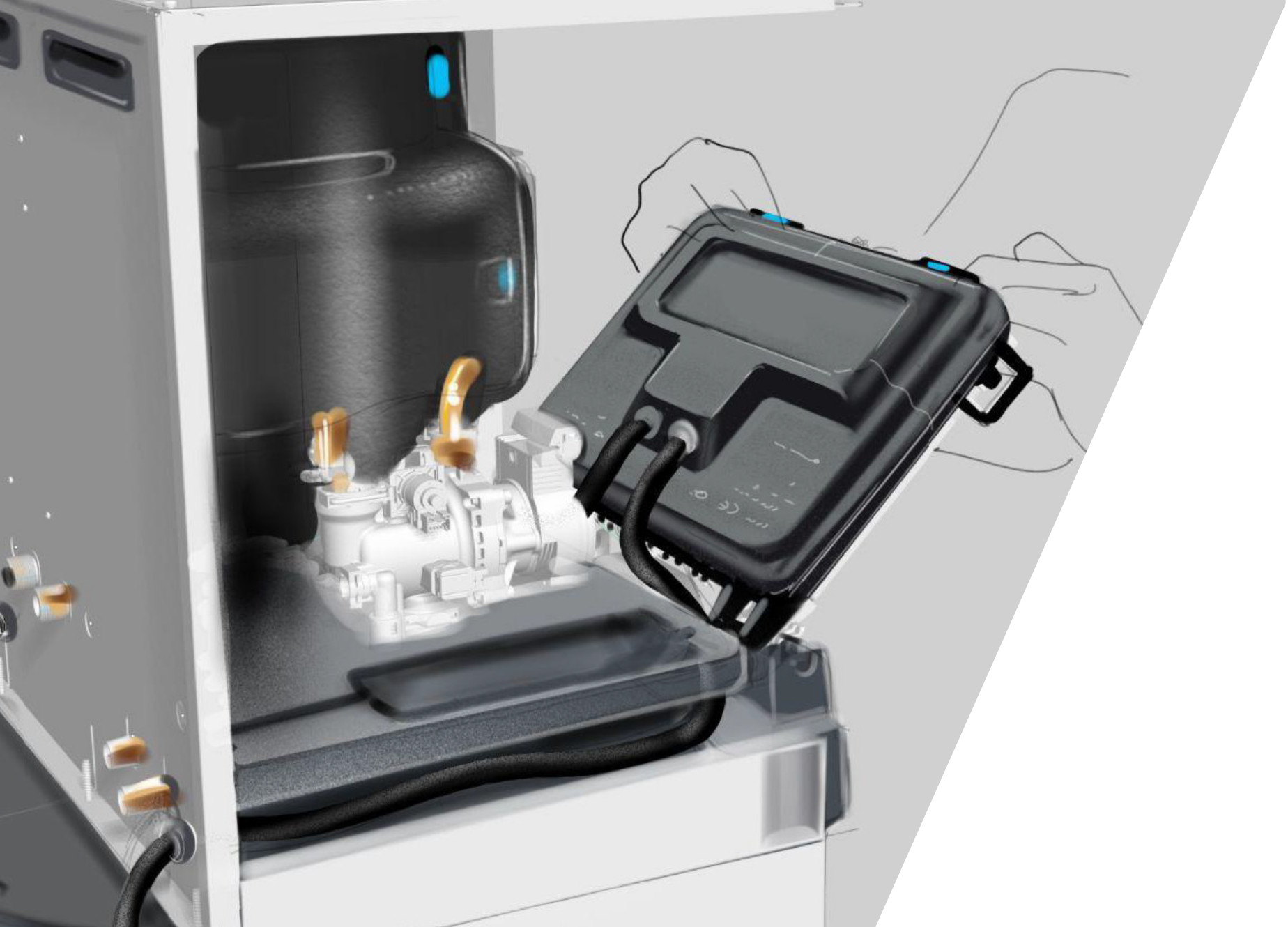
Methods and impact
To design, test and improve, the Group draws on a range of tools: brand-specific design guidelines, perceived quality benchmarks, customer journeys, customer experience guidelines, a design system for interfaces and the IoT, design scores, UX approvals and user tests.
A variety of methods are employed: design thinking to generate concepts, design fiction to explore desirable futures, and user testing to quickly test hypotheses against real-world usage patterns. These approaches help to improve the user experience, differentiate products and enhance the intangible value of brands.
Latest news